An interactive journey — not a textbook
The Lost History of the Muslims
Rediscover the stories our Ummah must never forget.
Great civilizations, scholars who lit up the world, explorers, teachers and freedom fighters — told in short, easy chapters with real sources, maps, timelines and quizzes. Start anywhere. Every story takes 6–10 minutes.
01 / ACROSS THE WORLD
Pick a doorway into the past
Choose a part of the world — we'll take you straight to those stories.
How this journey works
Pick a region, an era, or just tap a story that pulls you in.
Short chapters, key dates, real people, and honest sources.
Lessons, reflection prompts and a quiz — then save it to your library.
02 / THROUGH TIME
Walk through the centuries
Tap any era to see what was happening.
Explore Muslim history across the world
Filter by region, era or topic
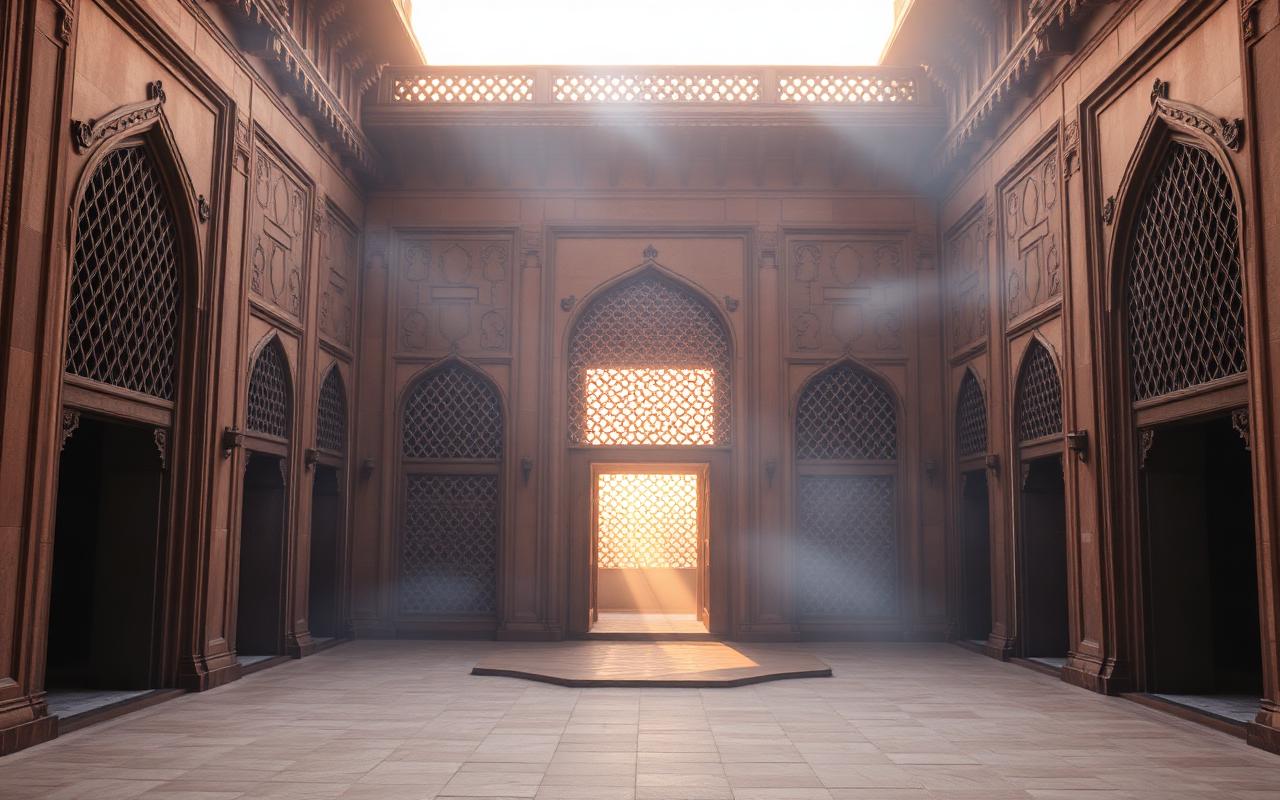 India & South Asia
Muslim Contributions to the Indian Freedom Movement
1799 – 1947
Scholars, poets, doctors and students — Muslims were part of India's struggle from its earliest days to its final year.
India & South AsiaThe Scholars Who Shaped Indian Islam
1564 – 1958
Behind every madrasa, translation and revival movement in South Asia stands a teacher most people have never heard of.
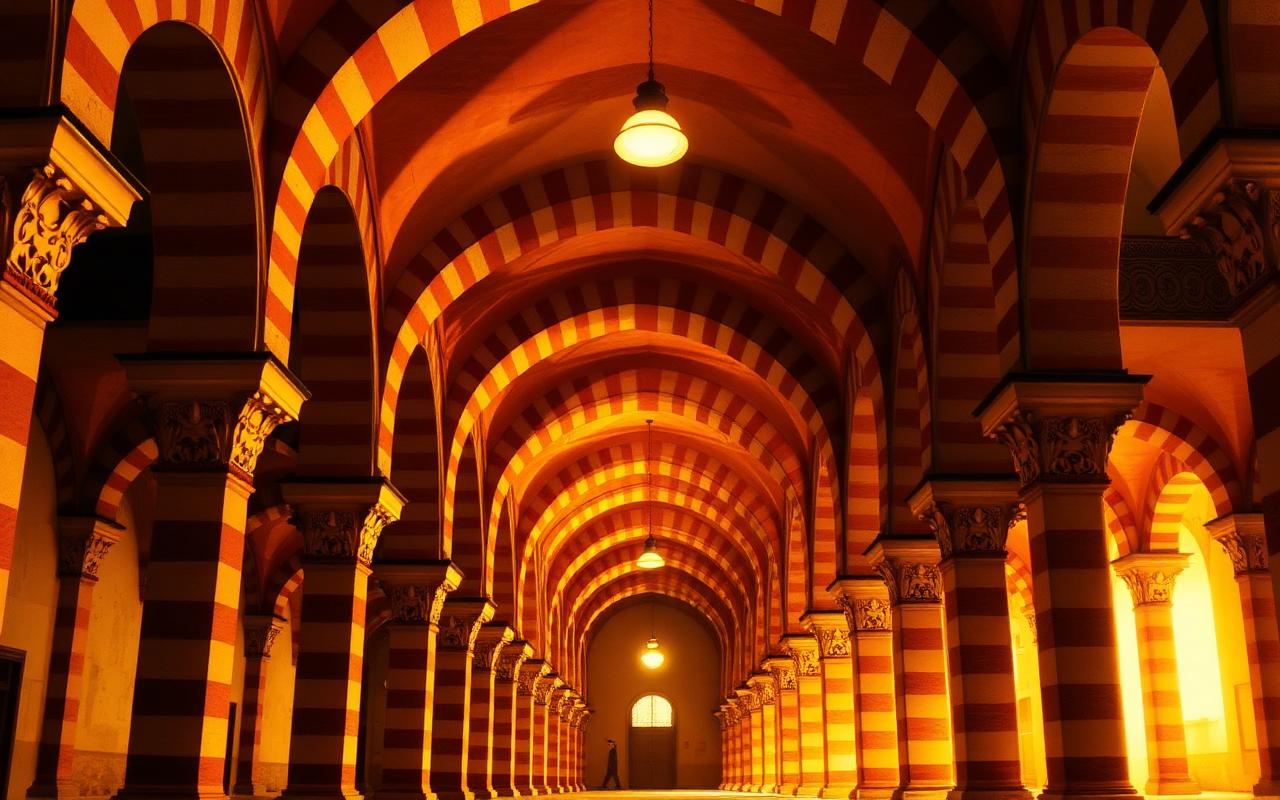 Al-Andalus / Muslim Spain
Al-Andalus: A Civilization of Knowledge and Beauty
711 – 1492
For nearly 800 years, part of Europe was home to a Muslim civilization whose libraries, hospitals and gardens were the envy of the continent.
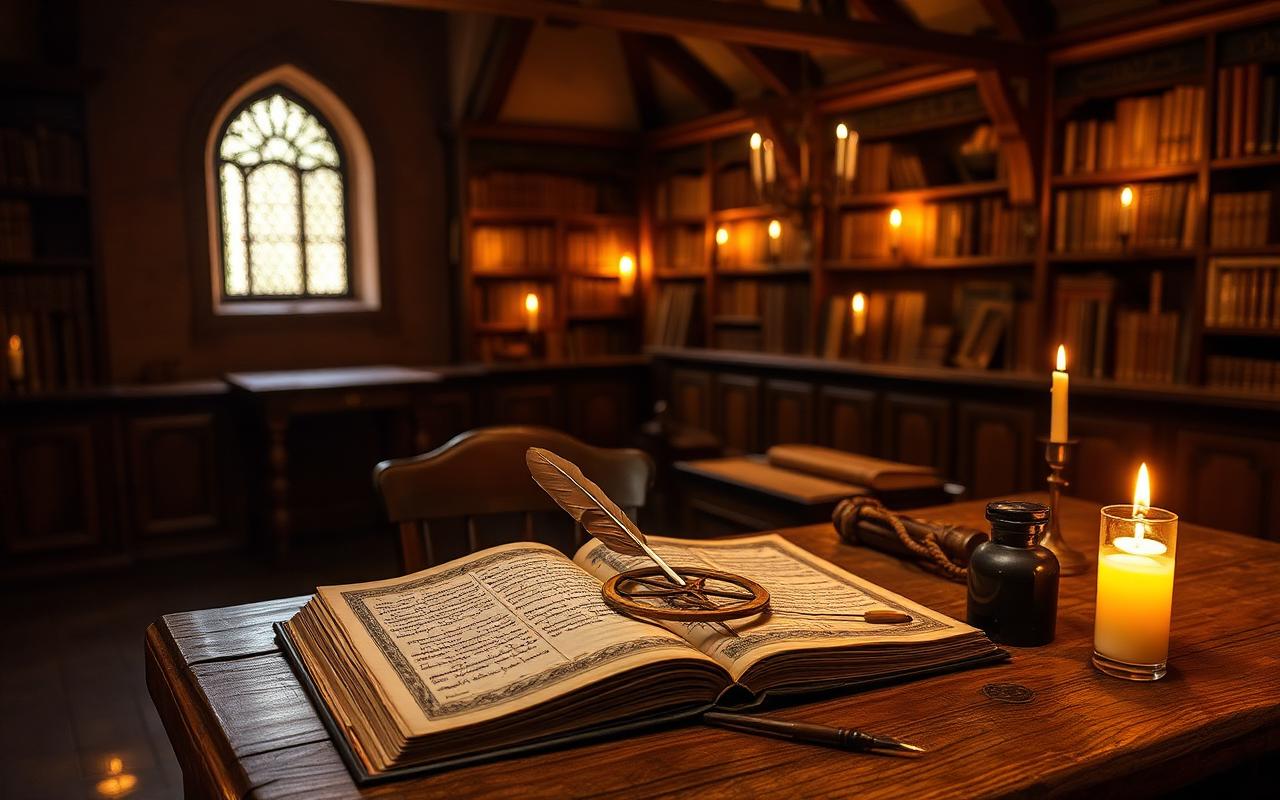 Middle East
The Islamic Golden Age
8th – 13th century
Algebra, algorithms, optics, surgical tools and the world's oldest university — all from a few centuries of Muslim learning.
Global Muslim HistoryMuslims Who Explored the World
10th – 15th century
One man walked, sailed and rode roughly 120,000 km before the age of engines — and wrote it all down.
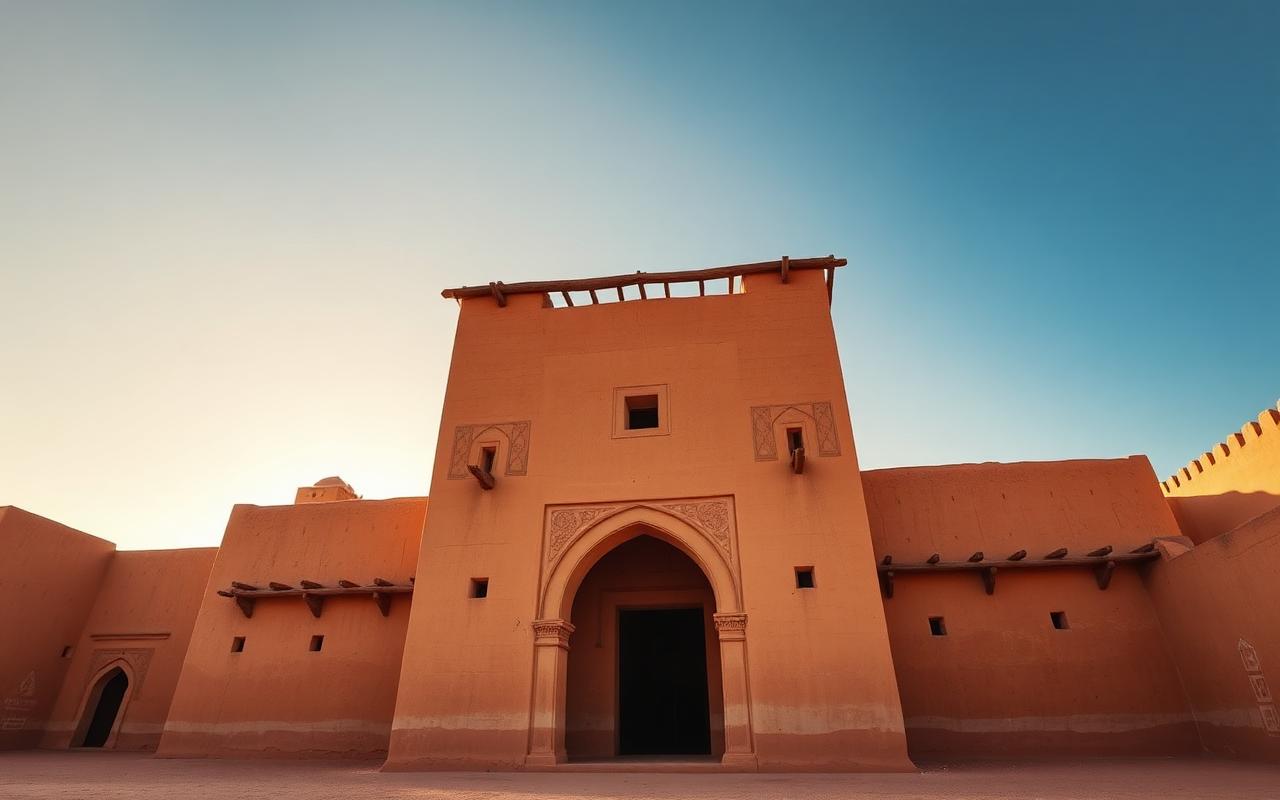 Africa
The Forgotten History of Muslim Africa
9th – 19th century
Hundreds of thousands of manuscripts survive from a city many people wrongly imagine as empty desert.
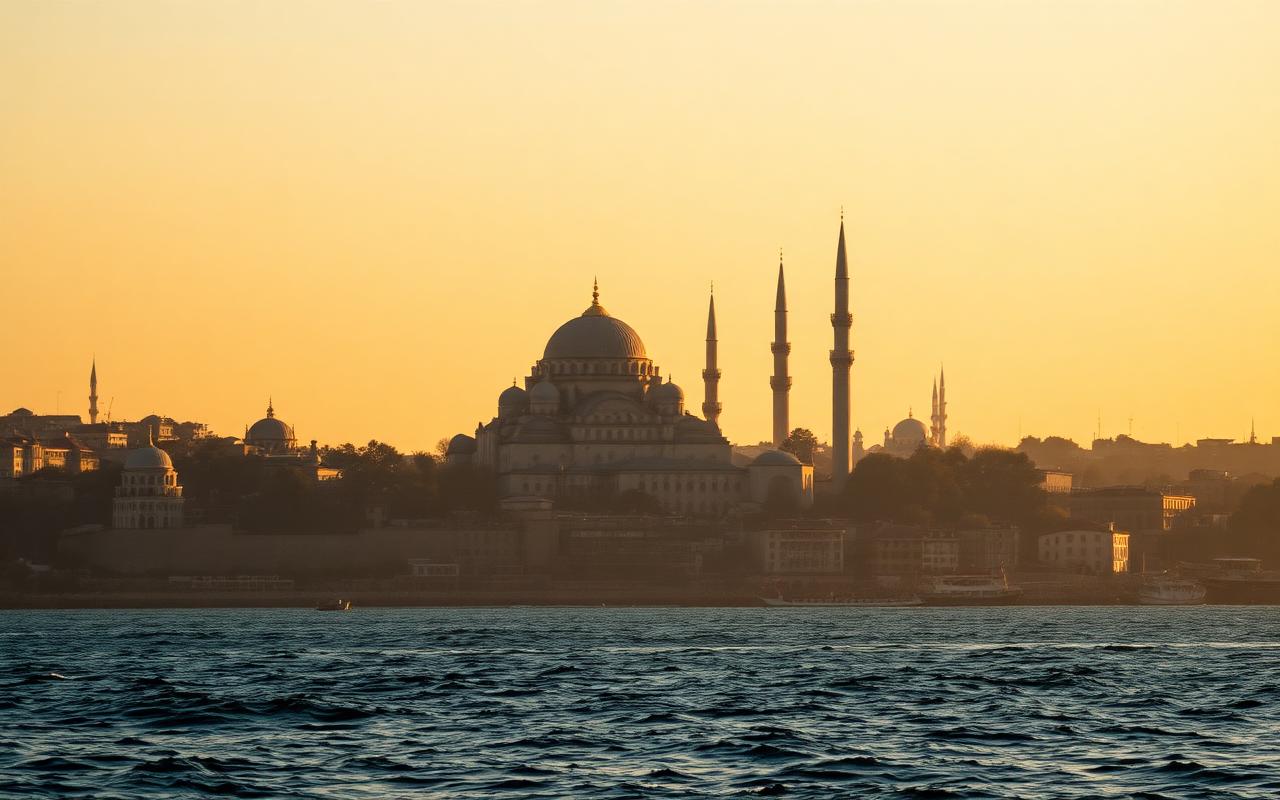 Ottoman World
The Ottoman World
1299 – 1924
A small frontier principality became one of the longest-lasting empires in history — and its charitable endowments fed cities for centuries.
India & South AsiaThe Mughal Era
1526 – 1857
By 1700 this was one of the largest economies on earth — and its libraries mattered as much as its marble.
Global Muslim HistoryThe Women Who Shaped Muslim History
610 – 1900s
One woman founded a university. Another taught hadith to some of the greatest scholars of her age.
Global Muslim HistoryThe Libraries That Carried Civilization
8th – 16th century
Paper reached the Muslim world in the eighth century — and within decades, books were everywhere.
Global Muslim HistoryMoments That Changed Muslim History
624 – 1492
Some days redirected centuries. Here is what actually happened on them — without glorifying war.
Southeast AsiaHow Islam Reached Southeast Asia
13th – 19th century
The largest Muslim country in the world today was reached mainly by merchants, not armies.
Central AsiaCentral Asia: Bukhara, Samarkand and the Hadith Masters
8th – 15th century
Bukhari, Muslim, Tirmidhi, al-Khwarizmi, al-Biruni, Ibn Sina — almost all from one region.
Indian Muslim History
Stories of faith, scholarship, sacrifice and resilience.
Indian Muslim history is far broader than the few names most of us were taught. It includes centuries of scholarship, architecture, education, trade, literature, social reform — and a documented role in the struggle against colonial rule.
India & South AsiaMuslim Contributions to the Indian Freedom Movement
1799 – 1947
Scholars, poets, doctors and students — Muslims were part of India's struggle from its earliest days to its final year.
India & South AsiaThe Scholars Who Shaped Indian Islam
1564 – 1958
Behind every madrasa, translation and revival movement in South Asia stands a teacher most people have never heard of.
Al-Andalus
A civilization of knowledge, beauty and discovery.
Enter the storyThe Islamic Golden Age
When knowledge became a civilization.
Enter the storyDid you know?
Hospitals with organised wards, staff rotas and free treatment (bimaristans) developed in the medieval Islamic world.
Explore the storyThe word 'algebra' comes from al-jabr in al-Khwarizmi's book title, and 'algorithm' from his name.
Explore the storyAl-Qarawiyyin in Fez, founded by a woman in 859, is recognised as one of the oldest continuously operating educational institutions in the world.
Explore the storyIbn Battuta travelled roughly 120,000 km — further than any known traveller before the modern era.
Explore the storyTenth-century Córdoba had street lighting and running water when most European cities had neither.
Explore the storyTens of thousands of West African manuscripts from Timbuktu survive today, on law, astronomy, medicine and poetry.
Explore the storyOttoman waqf endowments funded free soup kitchens, hospitals and libraries for centuries, independent of the state budget.
Explore the storyAl-Zahrawi designed surgical instruments still recognisable in modern operating rooms.
Explore the storyZubaydah, wife of Harun al-Rashid, funded a water system along the pilgrim route to Makkah that served travellers for centuries.
Explore the storyJamia Millia Islamia was founded in 1920 by Indian Muslim leaders as an independent national university.
Explore the storyIbn al-Haytham insisted that claims be tested by experiment — centuries before the phrase 'scientific method' existed.
Explore the storyPaper-making reached Baghdad in the 8th century, making books affordable long before the printing press.
Explore the storyThe hadith collections most Muslims use daily were compiled largely by scholars from Central Asia.
Explore the storyNana Asma'u organised a network of travelling women teachers in 19th-century West Africa.
Explore the storyMuslims you should know
30 people whose names deserve to be remembered.
Al-Khwarizmi
c. 780–850 · Khwarazm / Baghdad
- Field
- Mathematics
- Known for
- Founder of algebra as a discipline
- Remarkable
- His book gave us the word 'algebra'; his name gave us 'algorithm'.
Ibn Sina (Avicenna)
980–1037 · Bukhara / Persia
- Field
- Medicine & Philosophy
- Known for
- The Canon of Medicine
- Remarkable
- His medical encyclopaedia was taught in European universities into the 17th century.
Abu Bakr al-Razi
854–925 · Rayy / Baghdad
- Field
- Medicine
- Known for
- Clinical observation
- Remarkable
- Wrote the first careful clinical distinction between smallpox and measles.
Ibn al-Haytham
965–c. 1040 · Basra / Cairo
- Field
- Optics & Physics
- Known for
- The Book of Optics
- Remarkable
- Showed vision works by light entering the eye, and insisted on experiment.
Al-Biruni
973–1048 · Khwarazm
- Field
- Astronomy & Geography
- Known for
- Kitab al-Hind
- Remarkable
- Estimated the Earth's radius with striking accuracy and studied India with rare fairness.
Al-Zahrawi
c. 936–1013 · Córdoba
- Field
- Surgery
- Known for
- Al-Tasrif
- Remarkable
- Designed surgical instruments and wrote the surgical manual Europe used for centuries.
Ibn Rushd (Averroes)
1126–1198 · Córdoba
- Field
- Philosophy, Law, Medicine
- Known for
- Commentaries on Aristotle
- Remarkable
- Shaped philosophy in Europe while serving as a Maliki judge.
Al-Jazari
1136–1206 · Upper Mesopotamia
- Field
- Engineering
- Known for
- Book of Ingenious Devices
- Remarkable
- Designed pumps, clocks and automated machines with detailed drawings.
Fatima al-Fihri
9th century · Fez
- Field
- Education & Endowment
- Known for
- Founder of al-Qarawiyyin
- Remarkable
- Used her inheritance in 859 to found an institution still teaching today.
Mariam al-Ijliya
10th century · Aleppo
- Field
- Instrument-making
- Known for
- Astrolabe maker
- Remarkable
- Recorded as a skilled maker of astrolabes at the Hamdanid court.
Ibn Battuta
1304–1369 · Tangier
- Field
- Travel & Law
- Known for
- The Rihla
- Remarkable
- Travelled roughly 120,000 km and documented the 14th-century world.
Al-Idrisi
1100–1165 · Ceuta / Sicily
- Field
- Geography
- Known for
- Tabula Rogeriana
- Remarkable
- Produced one of the most accurate world maps of the medieval era.
Mansa Musa
r. c. 1312–1337 · Mali
- Field
- Leadership
- Known for
- Hajj of 1324
- Remarkable
- Turned trade wealth into mosques, scholars and schools across West Africa.
Ahmad Baba al-Timbukti
1556–1627 · Timbuktu
- Field
- Islamic Law
- Known for
- Timbuktu's leading jurist
- Remarkable
- Wrote dozens of works and defended West African scholarship.
Nana Asma'u
1793–1864 · Sokoto
- Field
- Education & Poetry
- Known for
- Yan Taru women's education network
- Remarkable
- Trained travelling women teachers to educate rural women.
Mehmed II
1432–1481 · Ottoman Empire
- Field
- Leadership
- Known for
- Conquest of Constantinople
- Remarkable
- Rebuilt Istanbul as a multi-religious imperial capital after 1453.
Mimar Sinan
c. 1490–1588 · Ottoman Empire
- Field
- Architecture
- Known for
- Süleymaniye & Selimiye
- Remarkable
- Designed or supervised hundreds of buildings still standing today.
Salah al-Din al-Ayyubi
1137–1193 · Egypt & Syria
- Field
- Leadership
- Known for
- Return of Jerusalem, 1187
- Remarkable
- Won at Hattin and was remembered even by opponents for his restraint.
Shah Waliullah Dehlawi
1703–1762 · Delhi
- Field
- Hadith & Reform
- Known for
- Hujjat Allah al-Baligha
- Remarkable
- Translated the Qur'an into Persian and reoriented Indian scholarship toward hadith.
Maulana Abul Kalam Azad
1888–1958 · India
- Field
- Tafsir, Journalism, Politics
- Known for
- Al-Hilal; first Education Minister of India
- Remarkable
- Combined Qur'anic scholarship with national leadership.
Ashfaqulla Khan
1900–1927 · Shahjahanpur, India
- Field
- Freedom Movement
- Known for
- Kakori case
- Remarkable
- Executed at 27 for his role in resisting colonial rule.
Khan Abdul Ghaffar Khan
1890–1988 · North-West Frontier
- Field
- Nonviolent Organising
- Known for
- Khudai Khidmatgar
- Remarkable
- Built one of the largest organised nonviolent movements of the colonial era.
Hakim Ajmal Khan
1868–1927 · Delhi
- Field
- Medicine & Public Life
- Known for
- Co-founder of Jamia Millia Islamia
- Remarkable
- Physician and institution-builder who led national bodies in the 1920s.
Sheikh-ul-Hind Mahmud Hasan
1851–1920 · Deoband
- Field
- Hadith & Politics
- Known for
- Imprisonment in Malta
- Remarkable
- Led scholarly resistance to colonial rule and returned to build institutions.
Aisha bint Abi Bakr رضي الله عنها
7th century · Madinah
- Field
- Hadith & Law
- Known for
- Transmitter of over 2,000 hadith
- Remarkable
- A primary teacher of the first generation of Muslims.
Khadijah bint Khuwaylid رضي الله عنها
7th century · Makkah
- Field
- Trade & Support
- Known for
- First to believe
- Remarkable
- Used her wealth and standing to support the earliest Muslim community.
Shuhda al-Katiba
d. 1178 · Baghdad
- Field
- Hadith & Calligraphy
- Known for
- 'The Writer' of Baghdad
- Remarkable
- Taught hadith publicly to large audiences of students.
Lubna of Córdoba
10th century · Córdoba
- Field
- Mathematics & Manuscripts
- Known for
- Palace library scribe
- Remarkable
- Worked at the heart of the caliphal library's book production.
Ulugh Beg
1394–1449 · Samarkand
- Field
- Astronomy
- Known for
- Samarkand observatory
- Remarkable
- Produced one of the most accurate pre-telescope star catalogues.
Imam al-Bukhari
810–870 · Bukhara
- Field
- Hadith
- Known for
- Sahih al-Bukhari
- Remarkable
- Compiled the most widely relied-upon hadith collection in Sunni Islam.
Cities our history should remember
Build your historical journey
What would you like to explore? Pick as many as you like.
My history journey
Bookmark any story and it will appear here — and in My Library with your private notes.
Open My LibraryWe remember so we can learn.
Our history is not simply a collection of dates, battles and names. It is a story of faith, knowledge, sacrifice, discovery, struggle and perseverance.
There are stories that have been forgotten, scholars whose names deserve to be remembered, civilizations whose achievements shaped the world, and lessons that remain relevant today.
Explore. Learn. Reflect. And carry the best of our history forward.