
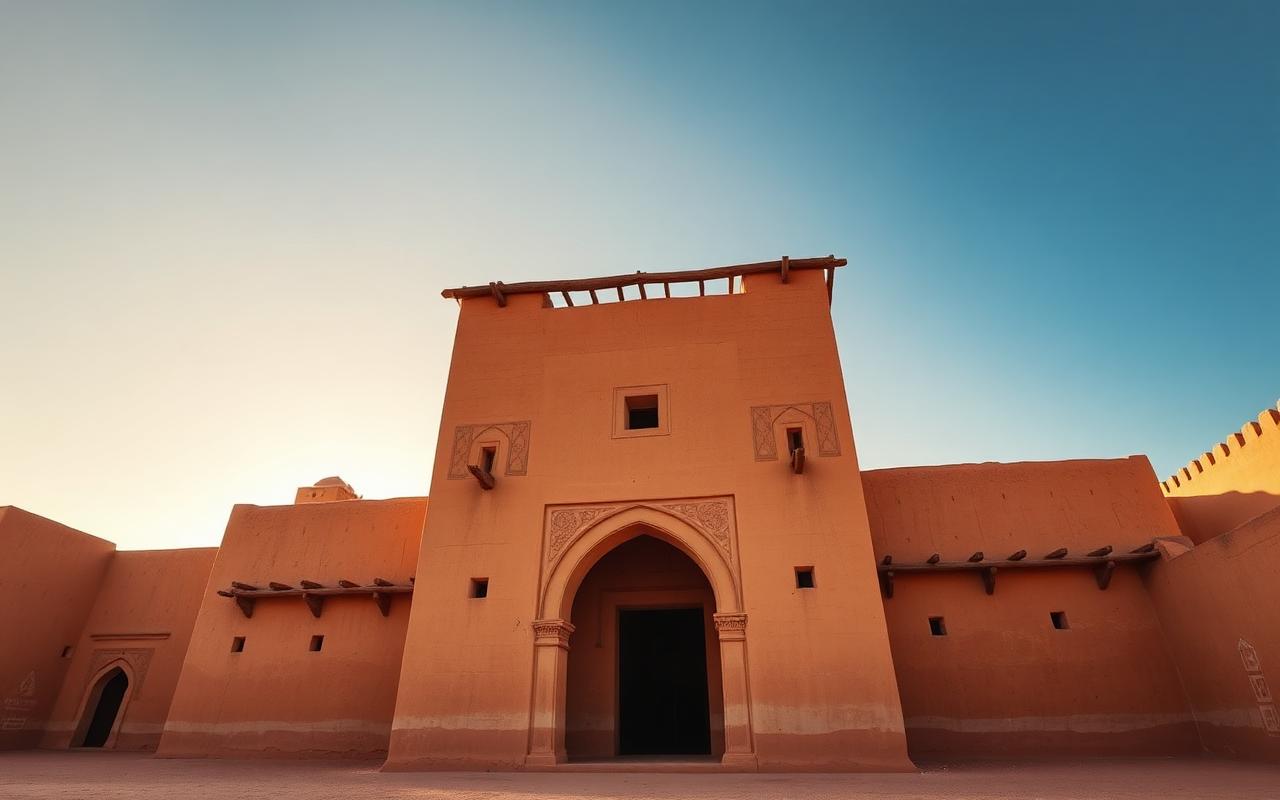
The Forgotten History of Muslim Africa
Mali, Timbuktu, Sankore and the Swahili coast
The Mali Empire
Mali rose in the thirteenth century and controlled the gold and salt trade of West Africa. Its most famous ruler, Mansa Musa (r. c. 1312–1337), performed Hajj in 1324 with a caravan so large that Egyptian chroniclers recorded its effect on the local gold market.
On his return he invested in mosques, scholars and building projects, drawing teachers and architects to Mali.
Timbuktu and Sankore
Timbuktu became a hub where trade paid for learning. Around the Sankore mosque, teaching circles in fiqh, tafsir, hadith, logic, astronomy and medicine drew students from across the region.
Scholarly families such as the Aqit and the Kati preserved private libraries. Ahmad Baba al-Timbukti (1556–1627), Timbuktu's most famous jurist, wrote dozens of works and was deported to Morocco after the Moroccan invasion of 1591.
Tens of thousands of these manuscripts survive today, many rescued and digitised in recent decades — direct written evidence of a deep West African intellectual tradition.
The Swahili coast
Along East Africa, city-states such as Kilwa, Mombasa, Lamu and Zanzibar built a Muslim maritime civilization trading with Arabia, India and China. Swahili, written for centuries in Arabic script, carries that history in its vocabulary.
Scholarship elsewhere in Africa
The Sokoto Caliphate in the nineteenth century produced a remarkable scholarly family — Usman dan Fodio, his brother Abdullahi and his daughter Nana Asma'u, who organised networks of women teachers to educate rural women.
In North Africa, Kairouan and Fez had been centres of Maliki learning for a thousand years, and al-Qarawiyyin still teaches today.
People in this story
Why it matters today
African Islamic history is one of the most under-taught parts of our heritage — and one of the best answers to the idea that scholarship was only an Arab or Persian project.
- Trade wealth is most valuable when it is converted into knowledge.
- Manuscripts survive when communities protect them deliberately.
- Women's education has strong precedents in African Muslim history.
Reflect: Which part of the Ummah do you know least about — and how could you learn about it this month?
How much did you discover?
0 / 2 correct
1. Mansa Musa is remembered especially for:
2. Sankore in Timbuktu was primarily:
Sources & further reading
Where historians disagree, we say so. Established facts, scholarly interpretation and traditional accounts are kept distinct — please read the sources for depth.
- Nehemia Levtzion & Randall Pouwels (eds.), The History of Islam in Africa (Ohio University Press)
- John O. Hunwick, Timbuktu and the Songhay Empire (Brill)
- Beverly Mack & Jean Boyd, One Woman's Jihad: Nana Asma'u (Indiana University Press)
- UNESCO documentation on the Timbuktu manuscripts